
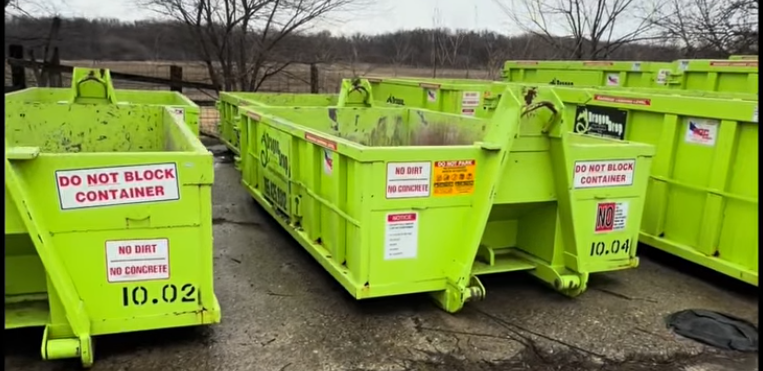
Book the dumpster for the day before the messiest part of your project starts, and schedule pickup right after the last load goes in. The calendar matters less than the project: a roof tear-off, a demo day, or a move-out deadline sets the date.
Book a few days ahead as a default, and earlier in busy construction months. If you only have a handful of items, junk removal or a haul-away service may cost less than a container.
What is a roll-off dumpster? A roll-off is an open-top steel container delivered on a truck and left on your property while you fill it. The hauler returns, picks it up and takes it to a disposal site. Most rentals include a set number of days and a set weight, and charges apply beyond either.
Does the Time of Year Matter?
Somewhat. Local conditions shift things, but your project schedule matters more.
Busy periods. Summer is commonly described as peak construction season in the Houston area. Roofers, remodelers and homeowners all want containers at the same time. Providers’ busy periods vary, so ask yours.
Gulf Coast weather. Hurricane season runs June 1 through November 30. Heavy rain can also arrive outside storm season. A downpour can delay a tear-off, flood a yard or soak your debris, and wet material weighs more. That matters because weight, not volume, is usually what runs up a bill.
Yard-work seasons. Spring and fall cleanups bring brush, branches and storm debris. These loads fill a container quickly but tend to weigh less than construction waste.
Is summer a bad time to rent a dumpster? No, just busier. Book earlier to get the size and delivery date you want.
How Far Ahead Should You Book?
Lead time depends on the company, the container size and the season. Same-day delivery is sometimes possible, but it is never guaranteed, and cutoff times differ between providers.
A simple habit: reserve as soon as your start date is firm. If a roofer confirms a crew date, book that day. If you’re planning a weekend cleanout, book early in the week before.
How early should I book a dumpster? Several days ahead is a safe default, and earlier in busy seasons. Ask about same-day cutoffs if you’re in a rush.
Best Timing by Project
These are illustrative scenarios, not customer stories.
| Project | Best delivery timing | Watch out for |
|---|---|---|
| Roof replacement | Day before the tear-off | Shingles are heavy. Check the weight allowance, not just the yard size. |
| Whole-house cleanout | Before the first big sorting weekend | Early delivery lets you fill gradually, but you pay for idle days if the rental period is short. |
| Kitchen or bath remodel | Morning of demo, or the day before | Most debris lands in the first few days. Size for demo, not for the whole project. |
| Property turnover | As soon as the move-out date is firm | Tight windows. Scheduling matters more than price. |
| Storm or yard debris | Call early, stay flexible on size | Demand spikes after heavy weather. |
A few situations that catch people out:
- The tear-off that gets rained out. If the crew can’t work Thursday, the container is already sitting there and the rental clock is running. Ask whether the rental period can shift with a weather delay before you book.
- The cleanout that starts early. Having the container early is a real advantage, since you can toss as you sort. The cost is idle days. Match delivery to when you’ll actually start.
- The mixed load. A little concrete or brick thrown in with household debris can push a container over its weight allowance, even when it looks half full. Some haulers also want heavy material kept separate. Ask before you mix.
- The second pickup that wasn’t needed. On a remodel, one correctly sized container often covers demo. People add a second haul because they ordered too small.
Dumpster Rental vs. Junk Removal
Neither wins every time. The deciding factors are volume, who does the loading, and how long the job runs.
| Dumpster rental | Junk removal | |
|---|---|---|
| Best for | Large or multi-day projects | Small, one-time hauls |
| Who loads | You | The crew |
| Pricing model | Typically a flat rate with included days and tons, plus possible overage fees | Typically by load or item |
| Timeline | You set the pace within the rental period | Usually a single visit |
| Heavy lifting | Yours | Theirs |
When not to rent a dumpster: a few bulky items, one room’s worth of stuff, or no room for a container. A haul-away service may cost less and save you the labor. A handful of bagged items may not justify either.
When a dumpster makes more sense: remodels, roofing, cleanouts over several days, and any job where debris keeps coming.
Is a dumpster cheaper than junk removal? It depends on volume. Dumpsters usually win on large projects. Junk removal often wins on small loads where labor is the main cost.
Choosing a Size
Roll-off containers commonly range from about 10 to 40 yards, and dimensions and weight limits vary by company. Check the specifics for each size: 10-yard, 20-yard and 30-yard.
| Size range | Typical fit |
|---|---|
| Smaller | Single-room cleanouts, small bathroom jobs, tight driveways |
| Mid-size | Garage cleanouts, medium remodels |
| Larger | Big demolition, whole-house cleanouts, major renovations |
Light and bulky versus heavy and compact. For furniture and household debris, volume is usually what fills you up. For concrete, brick, dirt and shingles, weight is the limit. A smaller container can be the right call for heavy material, because a full large container of dense debris may be too heavy to haul.
Going too small to save money often means paying for a second haul. When you’re between sizes on light debris, going up is often cheaper than ordering twice.
How do I know what size dumpster I need? Estimate by project type, then confirm with your provider. Mention the materials, since weight can change the answer.
What Affects the Price
Prices vary by company and change often, so none are quoted here. These factors drive a quote:
- Container size
- Rental period and extension fees
- Included weight and overage charges
- Material type, since heavy debris costs more to dispose of
- Delivery distance
- Disposal fees
- Fees for certain items, such as mattresses, appliances or tires
Ask every company the same questions so you can compare fairly: How many days are included? How many tons? What is the overage rate? Are there fuel or delivery fees? What is excluded? A low base price can hide fees.
What causes extra dumpster charges? Overweight loads, overfilled containers, prohibited items, extra rental days and blocked access at pickup.
Common Mistakes
- Choosing by volume alone. Weight is the limit on roofing, masonry and soil.
- Underestimating weight. Debris can be heavy when the container looks half empty.
- Ignoring rain. Wet debris adds weight. A tarp helps.
- Overfilling. Debris above the walls can be refused at pickup or trigger fees.
- Tossing prohibited items. Hazardous waste, paint, batteries and tires are common problem materials.
- Forgetting the rental period. Extra days can add fees.
- Skipping delivery prep. Parked cars, low wires, tree limbs and tight spaces cause failed deliveries.
- Blocking the pickup. If the truck can’t reach the container, you may be charged for a failed pickup.
Safety and Disposal
Overfilled containers are a hazard to the driver, your neighbors and the road. Debris can fall during transport, and heavy overloads can’t be hauled safely. Load heavy items first, spread weight evenly and keep material level with the walls.
Don’t put hazardous materials in the container. If you’re unsure whether an item is allowed, ask before it goes in. It’s much easier than dealing with a refused pickup.
Placement matters too. Soft or newer driveways can be damaged by container weight, so ask about plywood or boards. Keep the container away from overhead lines.
Sugar Land Permits, HOAs and Disposal
Do I need a permit for a dumpster in Sugar Land? I couldn’t find an official City of Sugar Land page on permits for roll-off containers, so confirm with the city before relying on any rule. Here is what’s generally true and what to check.
- Private driveway: in many cities no permit is needed, but this isn’t confirmed for Sugar Land.
- Street placement: public right-of-way commonly requires a permit in many cities. Contact the City of Sugar Land before putting a container on the street.
- HOA rules: many subdivisions limit where a container can sit and for how long. Read what to check before you book.
- Who can haul: the City of Sugar Land licenses commercial solid waste operators and has an exclusive franchise with Republic Services for commercial solid waste. The city’s page says projects under 30 days may use a City-licensed solid waste operator. If your project could run longer, ask the city how that applies to you.
- Regular trash pickup: curbside service generally isn’t for construction debris. Check the city’s solid waste page before putting remodel waste out.
- Self-haul: some competitors list the Fort Bend County landfill as a drop-off. Verify hours, fees and accepted items before you go.
Don’t assume neighboring cities like Missouri City, Richmond or Stafford follow the same rules.
When to Call Before Booking
Call if you’re unsure about:
- Size, especially for heavy debris
- Weight limits and overage charges
- Whether an item is prohibited
- Permits or street placement
- Whether the truck can reach your property
- Same-day availability or scheduling around weather
A good provider would rather answer five questions up front than fix one problem later.
FAQ
How long can I keep a dumpster? It depends on your rental terms. Ask what’s included and what extensions cost.
What if my project runs long? Contact your provider before the pickup date. Extensions are easier to arrange early.
Can I put concrete or shingles in a dumpster? Often yes, but weight limits and fill rules may apply. Ask first.
Do I need to be home for delivery? Confirm with your provider. Clear the placement area either way.
What happens during a hurricane or flood warning? Ask about the weather policy. Containers can become hazards in high winds or flooding.
Will rain affect my rental? It can. Wet debris adds weight, so tarp the container if you can.
Does the city pick up construction debris? Verify through the City of Sugar Land solid waste page before relying on it.
Conclusion
The best time to rent a dumpster is when your start date is firm. Book early in busy seasons, deliver the day before the mess begins and schedule pickup right after the final load. Choose by weight as well as volume, check HOA and street-placement rules first, and ask about fees before you sign.
Not sure which size or date fits your project? Contact us or request a quote, and we’ll help you pick.
